
Congratulations. If you are in Australia on a visa and have just had a baby, one of the first questions is usually: what is my baby’s visa status, and do I need to do anything? The answer depends on your own status when the baby was born, where the baby was born, and whether you have a visa application in progress.
This guide explains the main rules and the practical steps to take in the first few weeks.
Step 1: is your baby an Australian citizen?
A baby born in Australia is an Australian citizen at birth if at least one parent was an Australian citizen or permanent resident when the baby was born. If that applies to you, your baby does not need a visa. You can apply for evidence of citizenship and an Australian passport.
If neither parent was a citizen or permanent resident at the time of the birth, your baby is not a citizen, even though they were born here and have an Australian birth certificate. See Is my child an Australian citizen?.
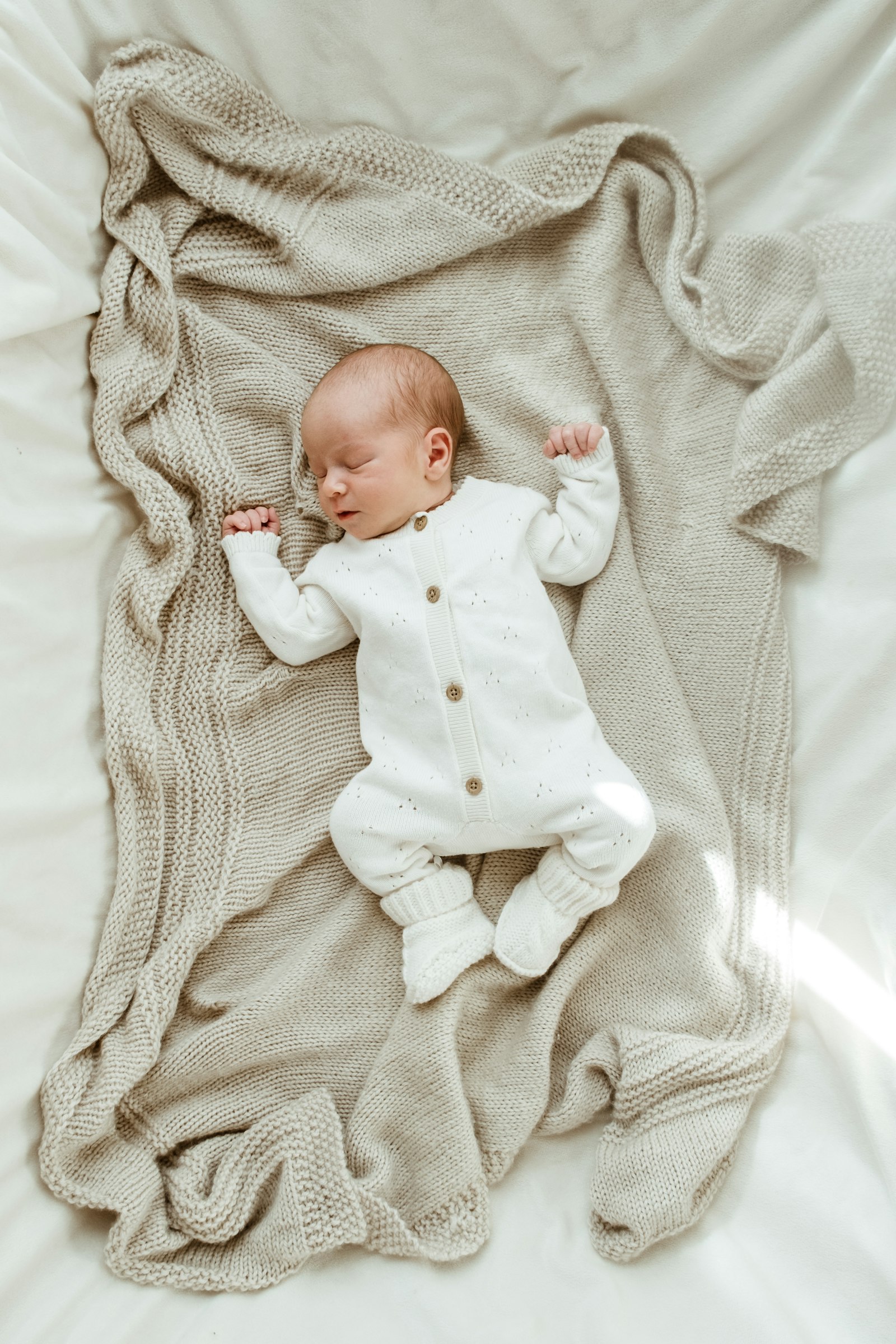
Step 2: if you hold a temporary visa, your baby usually holds it too
Under section 78 of the Migration Act 1958, a child born in Australia to a parent who holds a visa is generally taken to have been granted the same visa at birth. If the parents hold different visas, the baby is taken to hold each of them. This means your baby is usually lawful from birth, on the same terms and for the same period as your visa.
But it does not happen in the Department’s systems automatically. You should notify the Department of the birth and provide the birth certificate so your baby’s visa is recorded, and so you can check their status on VEVO. Without this, problems often show up later, for example when you try to travel or apply for another visa.
Step 3: if you have a visa application in progress
If you lodged a visa application and your baby was born before it was decided, regulation 2.08 of the Migration Regulations says the baby is taken to have applied for the same visa and is combined with your application. There is no separate application or fee. However, the baby must still meet the criteria at the time of decision, such as health and, where relevant, sponsorship.
You must tell the Department about the birth as soon as possible. If your visa is granted without the baby being added, your baby may be left on a temporary visa or a bridging visa that ends, and fixing it later can be harder.
Step 4: check your visa’s family rules
Some visas now limit when family members can be included. Since 2 October 2026 for Student visas, and 13 November 2026 for Temporary Graduate (485) visas, partners and children can generally only be included in limited cases, and family members can no longer be added after grant. There are specific rules for children born in Australia, so get advice before you lodge your next application. See Student visa changes and The 485 Temporary Graduate visa.
For sponsored visas such as the 482 or 494, check that your health insurance covers your baby and tell your employer, who may need to update its records.
If your baby was born overseas
Section 78 only applies to babies born in Australia. A baby born overseas needs their own visa to travel to Australia, unless they are eligible for Australian citizenship by descent. If you have a visa application in progress, regulation 2.08 can apply to a baby born overseas too.
Had a baby on a visa? What to do now, step by step
1. Register the birth. Register your baby with the births, deaths and marriages registry in your state or territory and get the birth certificate.
2. Get your baby a passport. Apply through the embassy or consulate of your country of citizenship. The Department links your baby’s visa to their passport, and your baby cannot travel without one.
3. Tell the Department and add your baby to your visa. Do this as soon as you have the birth certificate. Do not wait for the passport, as you can send the passport details later. How you notify depends on your situation:
- You have a visa application in progress in ImmiAccount: sign in, go to the application, and upload a completed Form 1022 (Notification of changes in circumstances), a colour scan of the birth certificate and, when you have it, your baby’s passport. This adds your baby to the application.
- You hold a 482, 494, 485, 500, 590 or 476 visa: use the Department’s online form for informing it of a newborn baby, on the Home Affairs website.
- Any other visa: use the Department’s “You had a child” page, or send Form 1022 with the birth certificate to the office that processed your visa.
4. Check the result. Once the Department records your baby’s visa, you should receive a grant notice and be able to check your baby on VEVO. Keep a copy with your baby’s passport.
5. Sort out insurance and your sponsor. On a 482, 494 or Student visa, make sure your health insurance covers your baby. If you are sponsored, let your employer know.
Not sure which form applies, or the Department has not recorded your baby’s visa? Book a consultation and we will sort it out.
Travelling overseas with your baby: the Bridging Visa B
This is where families get caught out. If you are in Australia on a Bridging Visa A while an application is processed, and you want to travel, for example to take your baby home to meet family over the holidays, everyone travelling needs their own Bridging Visa B, including the baby.
- Your baby must be added to your application first, so they hold a bridging visa of their own. Notify the Department straight after the birth, not just before you fly.
- Then lodge a separate Bridging Visa B application for your baby, as well as for yourself, before anyone leaves.
- From 30 November 2026, the Department is assessing BVB applications for people with pending 482, 186 and 494 applications more strictly. Give a clear reason for the trip, with evidence, and travel dates that match. See Bridging Visa B changes.
- If your baby leaves Australia on a Bridging Visa A without a BVB, their bridging visa ends and they may not be able to come back on it.
If you hold a substantive temporary visa that allows travel, such as a 482, your baby generally holds the same visa. But it needs to be recorded against your baby’s passport before you travel, or you may have trouble boarding your flight back to Australia.
Leave plenty of time. A passport for a newborn, the Department recording the visa, and a BVB can each take weeks.
Common problems
- Assuming a baby born in Australia is a citizen.
- Not telling the Department about the birth while an application is pending.
- A parent’s visa being granted without the baby included.
- Travelling before the baby’s visa status is recorded.
Related guides
- Is my child an Australian citizen?
- Australian citizenship by descent
- Student visa (subclass 500): the essentials
- The 482 Skills in Demand visa
Legislation: Migration Act 1958 (Federal Register of Legislation).
How we can help
We help families sort out a newborn’s visa or citizenship status, including babies born during a pending application.
Not sure where you stand? Talk it through with a lawyer.
Disclaimer: This article is general information only and is not legal advice. Immigration law and policy change often, and every case depends on its own facts. Please seek advice about your individual circumstances before making any decision.